Engineered for absolute safety.
A fail-operational architecture combining mechanical redundancy, emergency recovery, and intelligent control augmentation, every layer designed so the next one rarely needs to act.
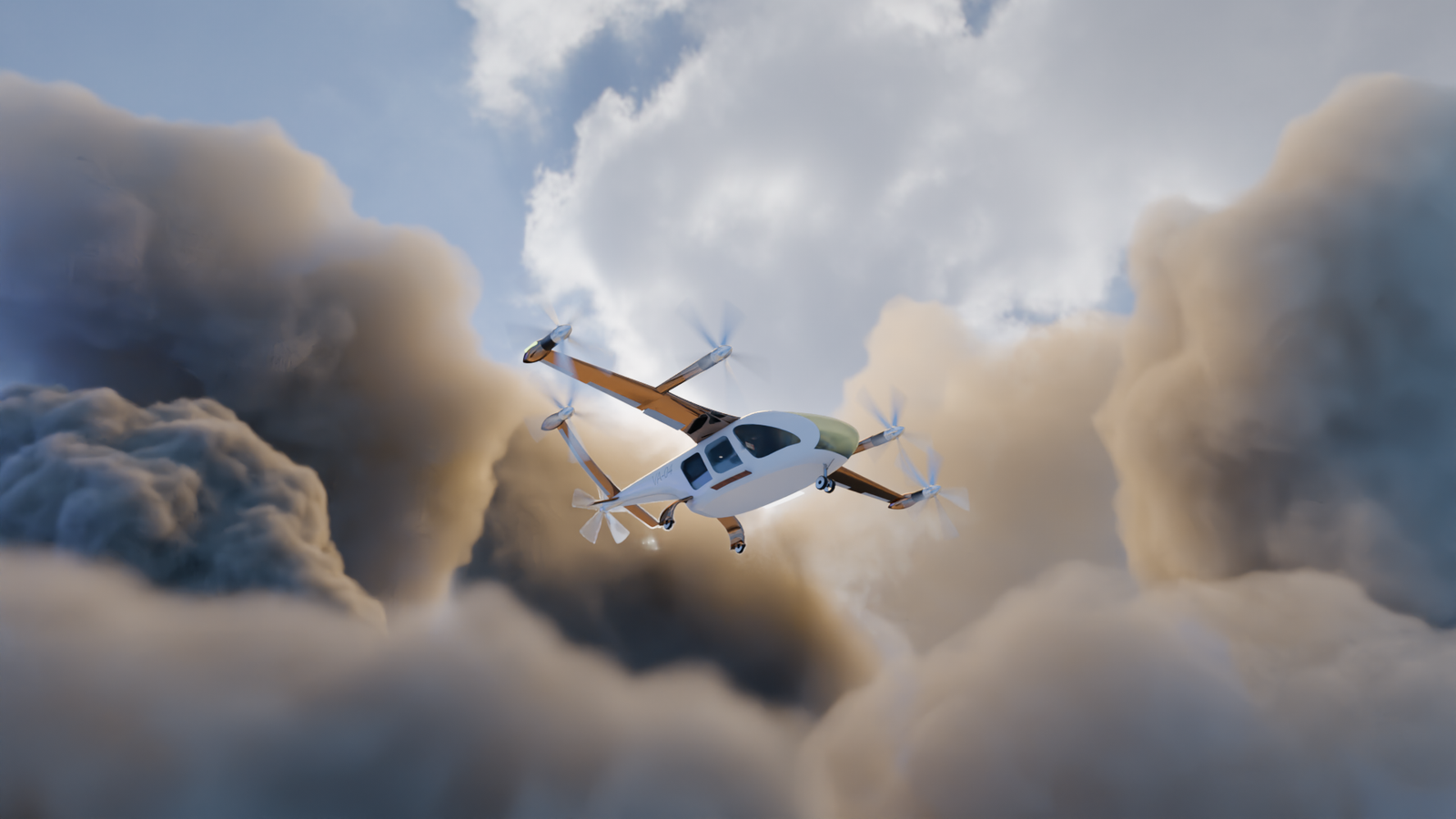
Six rotors, six chances to keep flying.
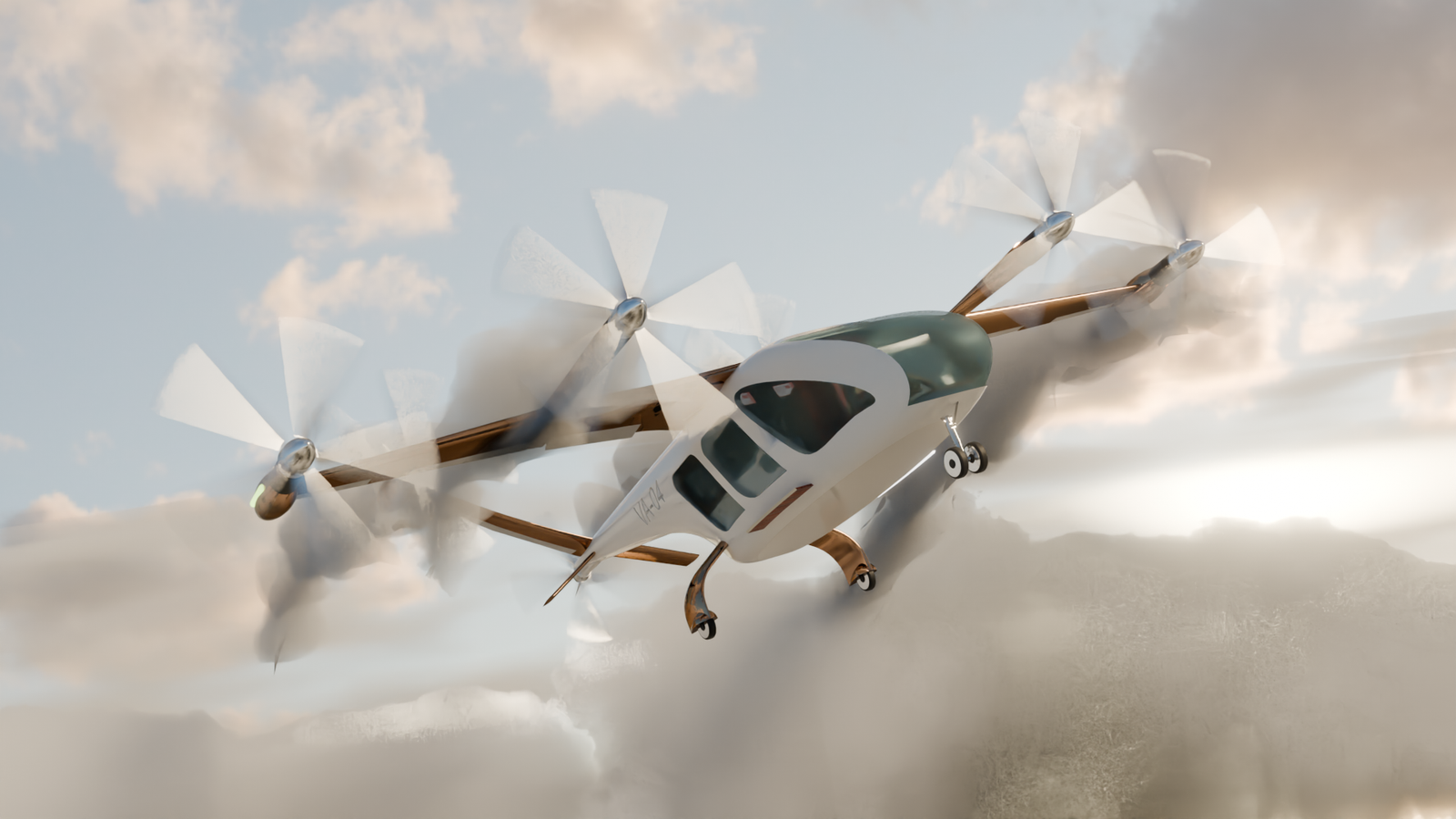
Each of the six rotors operates independently with its own motor controller. If one, or several, fail, the flight controller redistributes thrust dynamically to maintain stability and directional control.
- Independent motor controllers per rotor
- Dynamic thrust redistribution algorithms
- No single failure causes loss of thrust
A last layer that always opens.
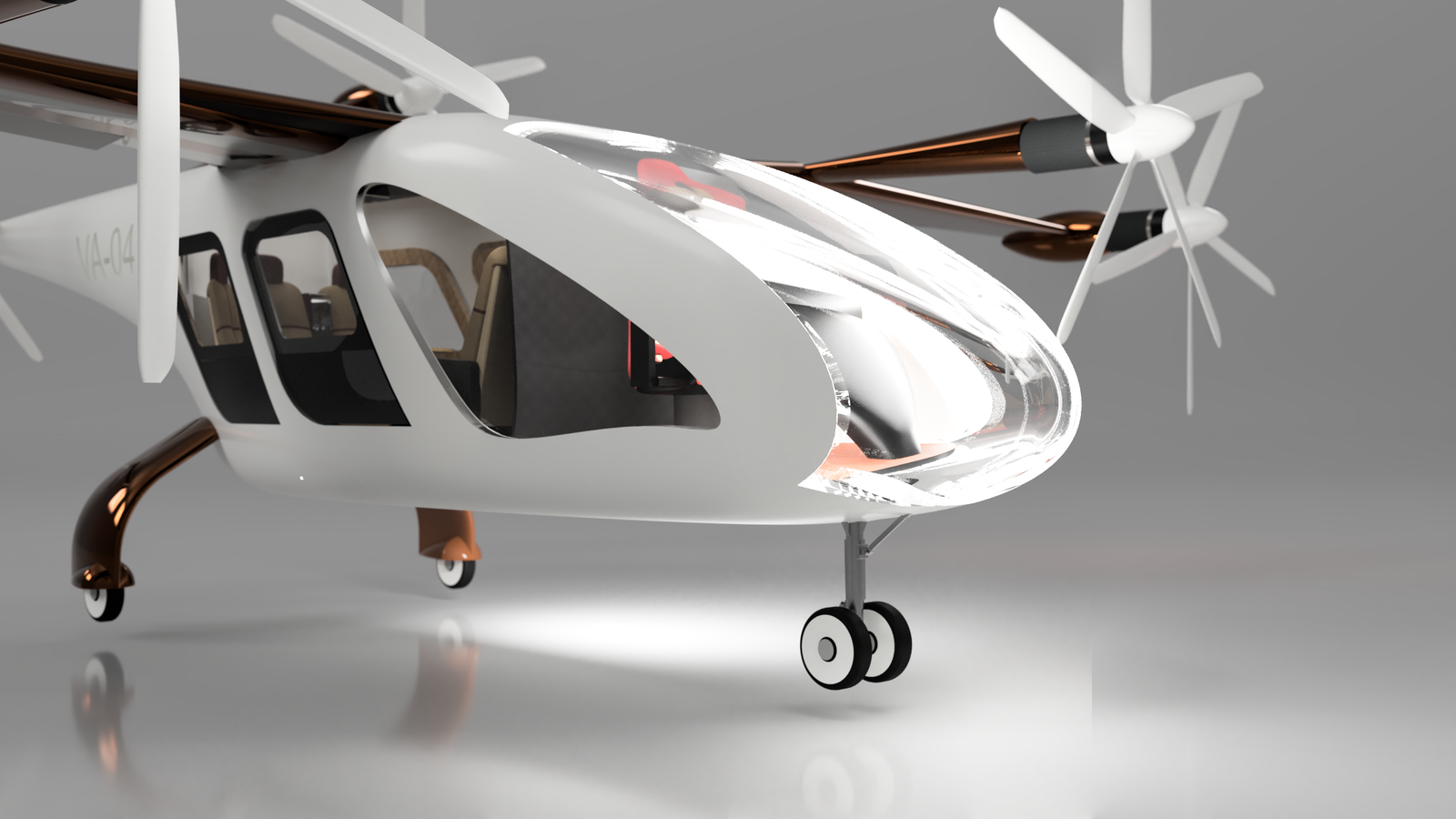
A whole-aircraft ballistic parachute deploys automatically, or manually, within fractions of a second. It cuts descent velocity dramatically and stabilises orientation, giving survivability where conventional recovery has none.
- Sub-second pyrotechnic deployment
- Stabilised, level descent attitude
- Manual or automatic activation
A second engine, a second chance.
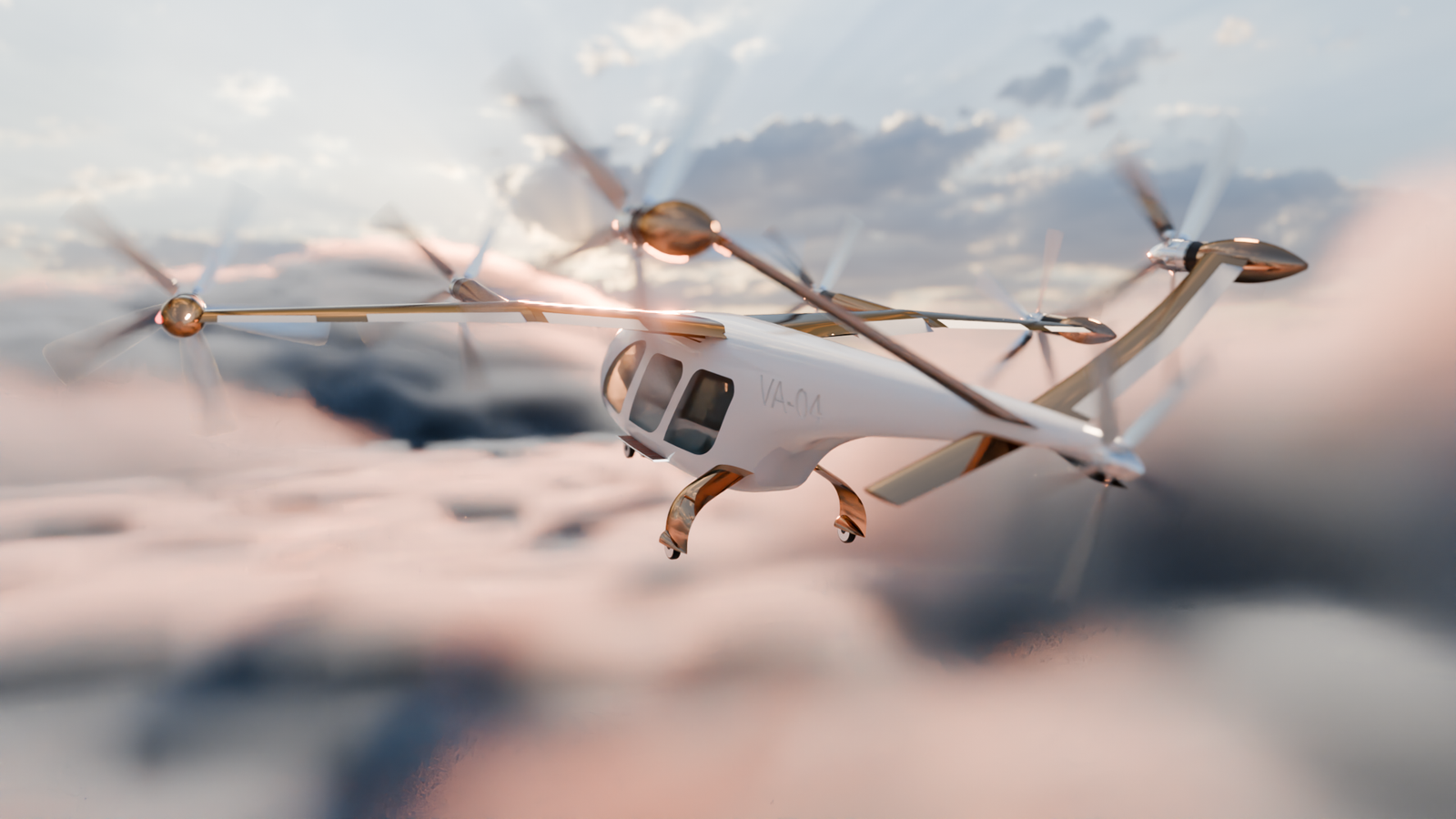
An independent pusher propulsor sits aft, dormant in normal flight. If primary propulsion is lost, it activates instantly, providing forward thrust for a controlled transition, glide, and safe landing trajectory.
- Independent of main rotor system
- Forward thrust for controlled glide
- Enables safe landing trajectory
Power harvested from thin air.
Borrowed from commercial aviation: a ram-air turbine deploys automatically on total electrical failure, converting airflow into the power that keeps avionics, sensors, and flight controls alive long enough to land safely.
- Auto-deploy on total electrical failure
- Powers critical avionics and controls
- No battery, no software dependency
An intelligence that watches everything.
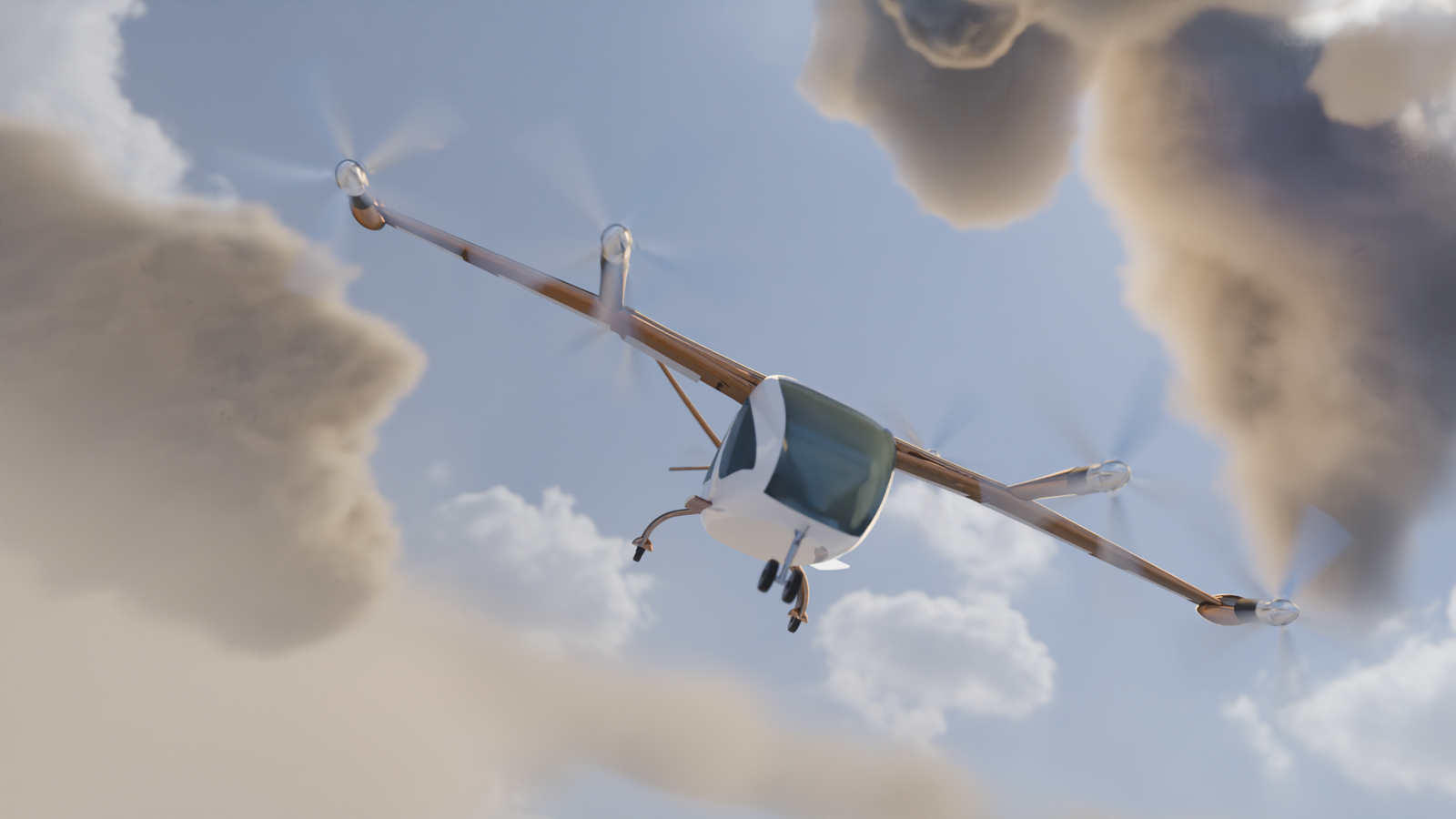
An onboard AI continuously monitors every subsystem, isolating faults the moment they appear and predicting failures before they happen. In an emergency, it supports the pilot with autonomous decision-making, reducing workload precisely when it matters most.
- Real-time fault detection & isolation
- Predictive failure analysis from sensor data
- Autonomous decision support in emergencies
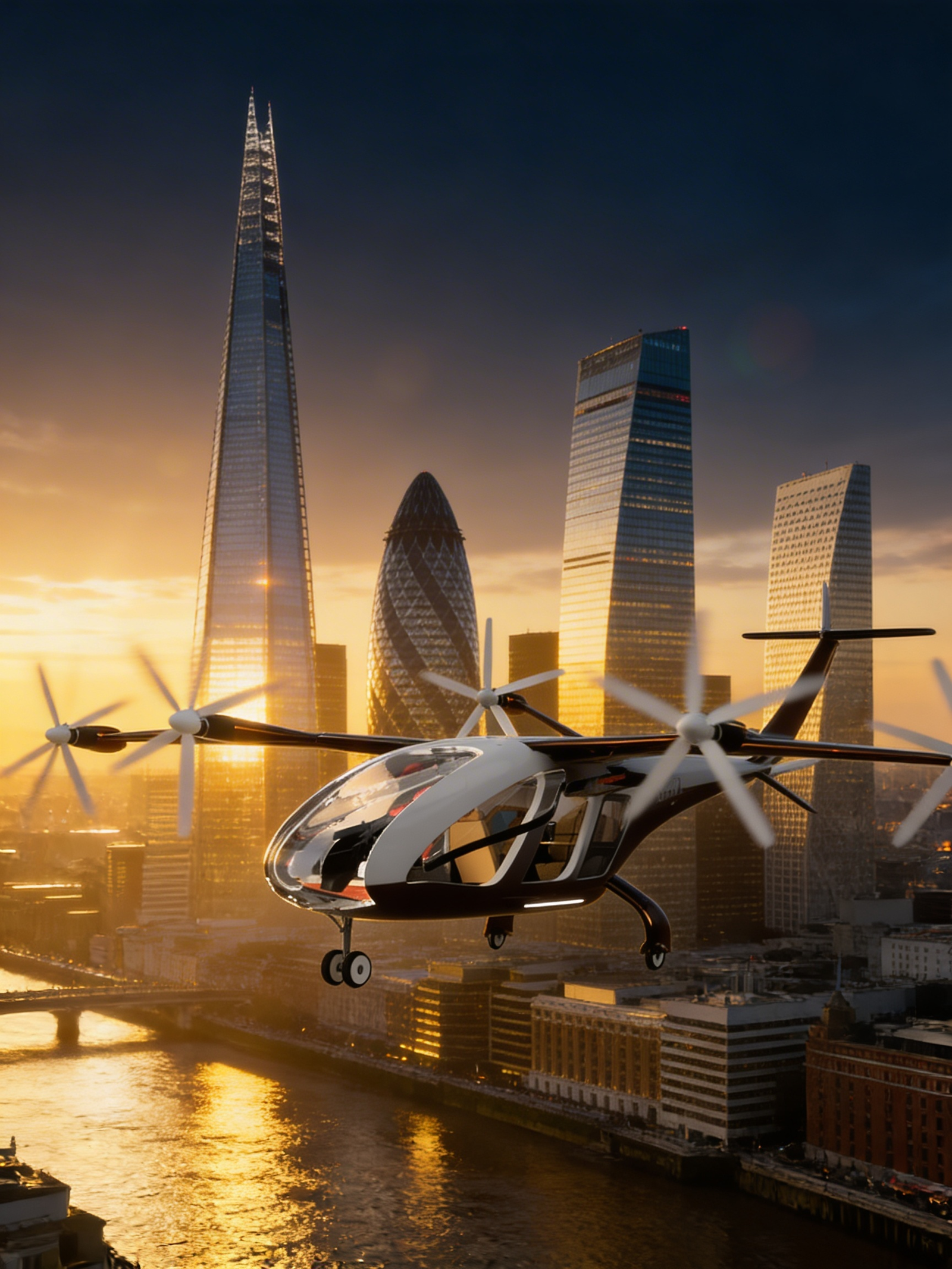
Defence, in four layers.
No single safeguard stands alone. Prevention catches faults early, tolerance absorbs the ones that slip through, mitigation softens the rest, and survivability waits, quietly, for the day none of the others were enough.
- Prevention, AI monitoring & predictive diagnostics
- Tolerance, multi-rotor distributed propulsion
- Mitigation, auxiliary pusher propulsion
- Survivability, RAT power & ballistic parachute
The sky was never the limit.
Six layers. Four tiers of defence. Zero compromise. The architecture that makes the quietest part of every Vyobha flight the part you never have to think about.